Views: 0 Author: Site Editor Publish Time: 2026-01-06 Origin: Site


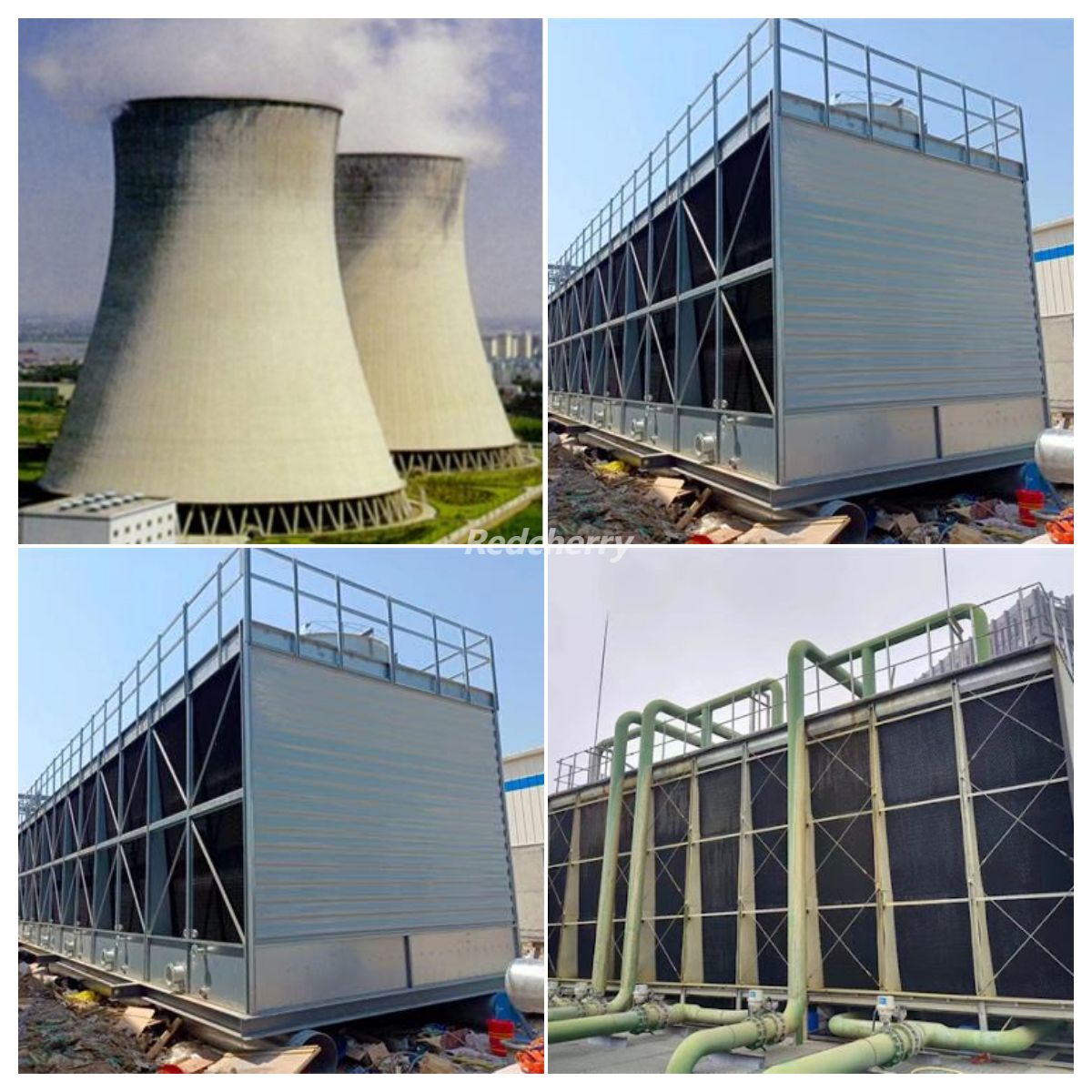
Cooling towers play a critical role in industrial and commercial cooling systems. They are widely used in power plants, HVAC systems, chemical processing, data centers, and manufacturing facilities to remove excess heat from circulating water. By efficiently dissipating heat to the atmosphere, cooling towers help maintain stable operating temperatures and protect equipment from overheating.
A cooling tower is a heat rejection device that transfers waste heat from water to the air, primarily through evaporation. Warm water from industrial processes enters the cooling tower, where it is distributed over fill material to increase surface area. As air flows through the tower, a small portion of the water evaporates, carrying heat away and cooling the remaining water before it is recirculated.

Cooling towers can be classified based on airflow and structure:
Natural draft cooling towers, which rely on buoyancy-driven airflow
Mechanical draft cooling towers, including induced draft and forced draft designs
Crossflow and counterflow cooling towers, depending on the direction of air and water movement
Each type is designed to suit different cooling capacities, space constraints, and operational environments.
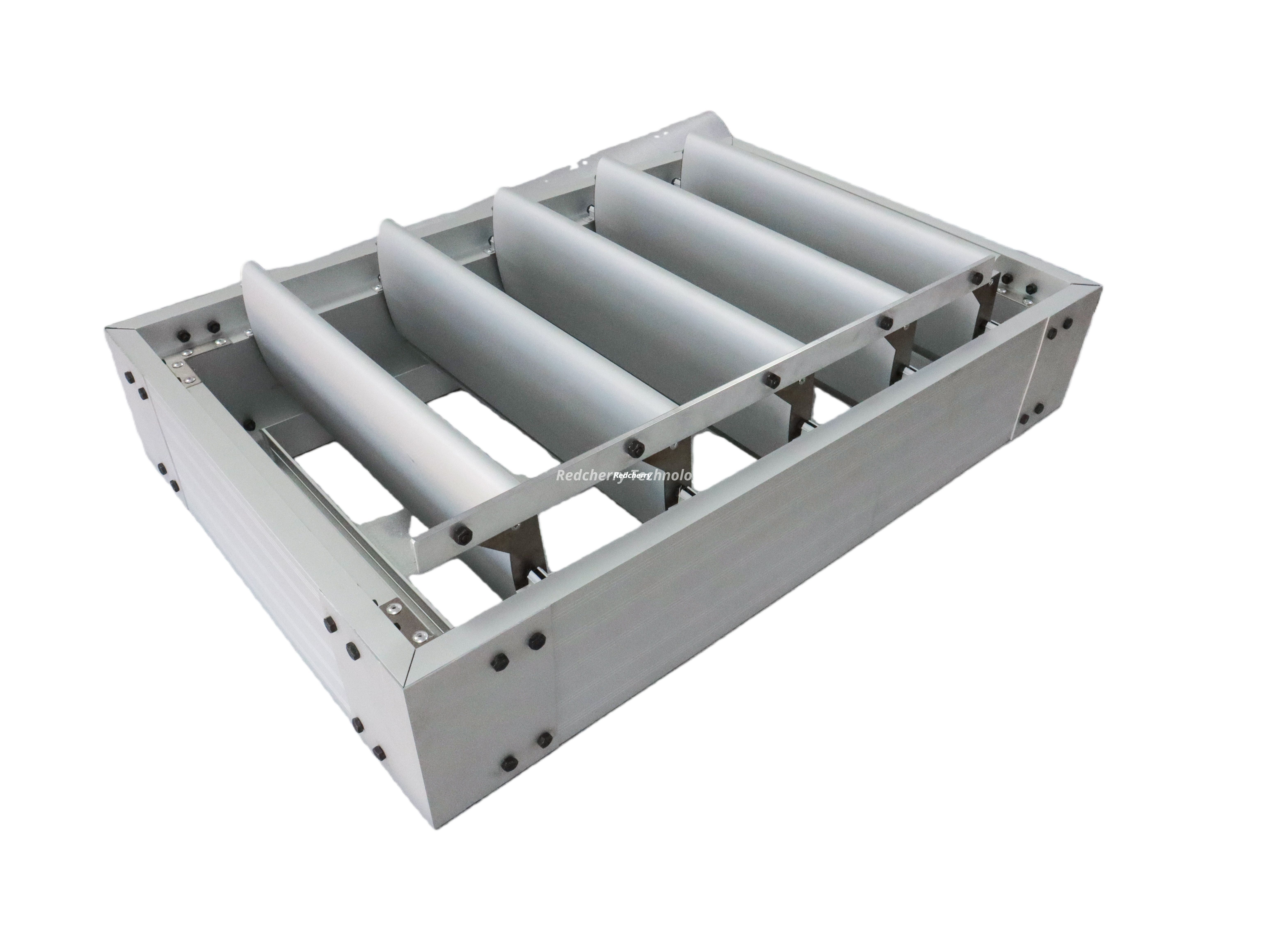
A typical cooling tower consists of several essential components, including fill media, fans, drift eliminators, water distribution systems, and louvers. Among these, louvers play an important role in controlling airflow, reducing water splash-out, and preventing external debris from entering the system. Proper louver design directly affects cooling efficiency and long-term system stability.
Cooling towers operate continuously in harsh conditions, such as high humidity, constant airflow, temperature fluctuations, and exposure to chemicals or corrosive environments. As a result, material selection is critical for ensuring durability, safety, and low maintenance costs.
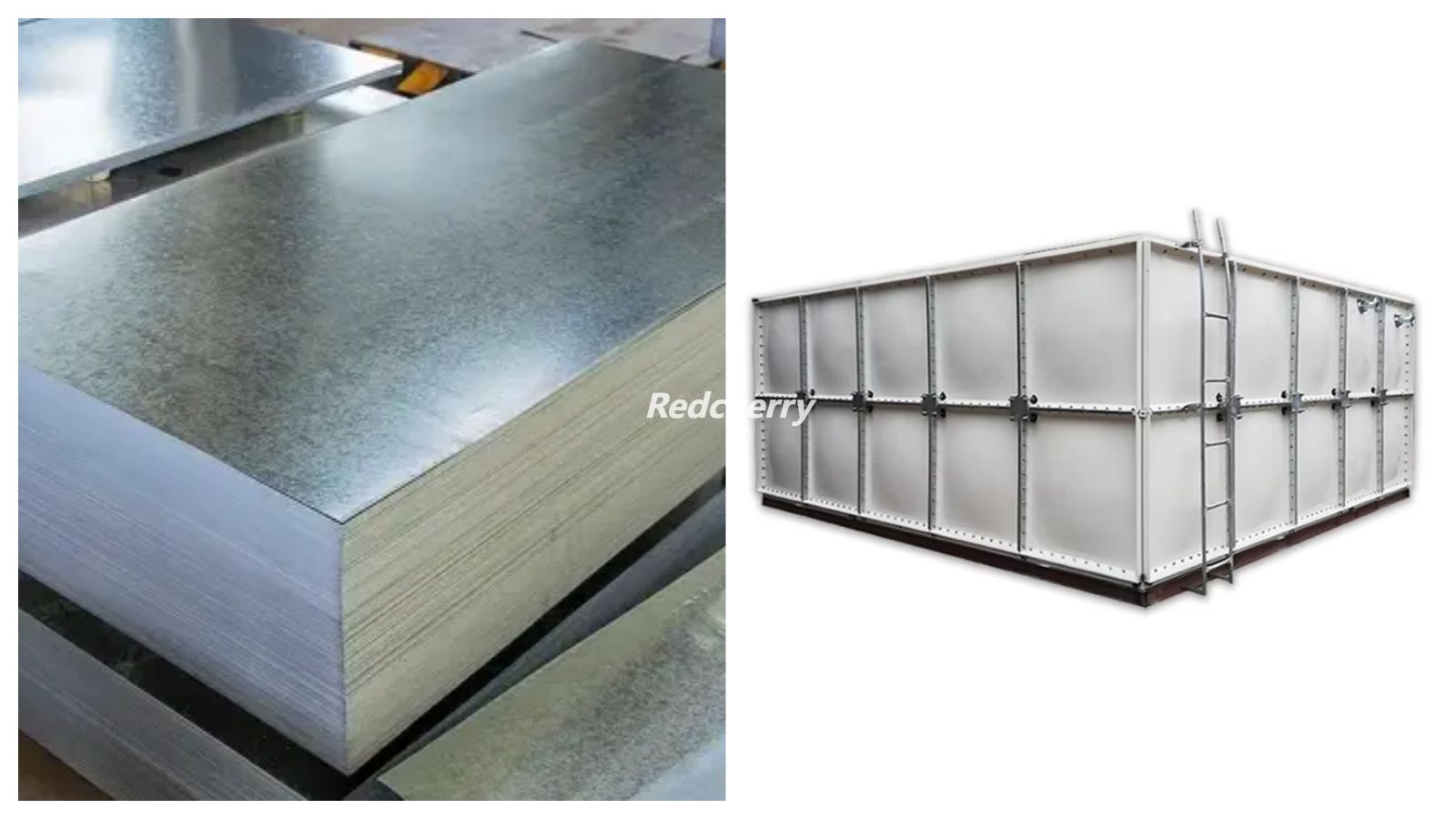
Traditional materials such as galvanized steel or FRP may suffer from corrosion, aging, or deformation over time. In contrast, aluminum offers excellent corrosion resistance, structural stability, and a favorable strength-to-weight ratio, making it increasingly popular in modern cooling tower applications.
To achieve reliable long-term performance, cooling tower components must be designed with both efficiency and durability in mind. Optimized airflow management, precise component dimensions, and corrosion-resistant materials all contribute to reduced maintenance, improved energy efficiency, and extended service life.
As part of our cooling tower solutions, we supply all-aluminum louver systems designed specifically for industrial cooling tower applications. Manufactured from high-quality aluminum alloy, these louvers provide stable airflow control, effective splash prevention, and long-term corrosion resistance. Custom sizes, blade angles, and surface treatments are available to meet different project requirements.
By integrating durable aluminum louvers into cooling tower designs, operators can enhance system reliability while reducing maintenance and replacement costs over time.